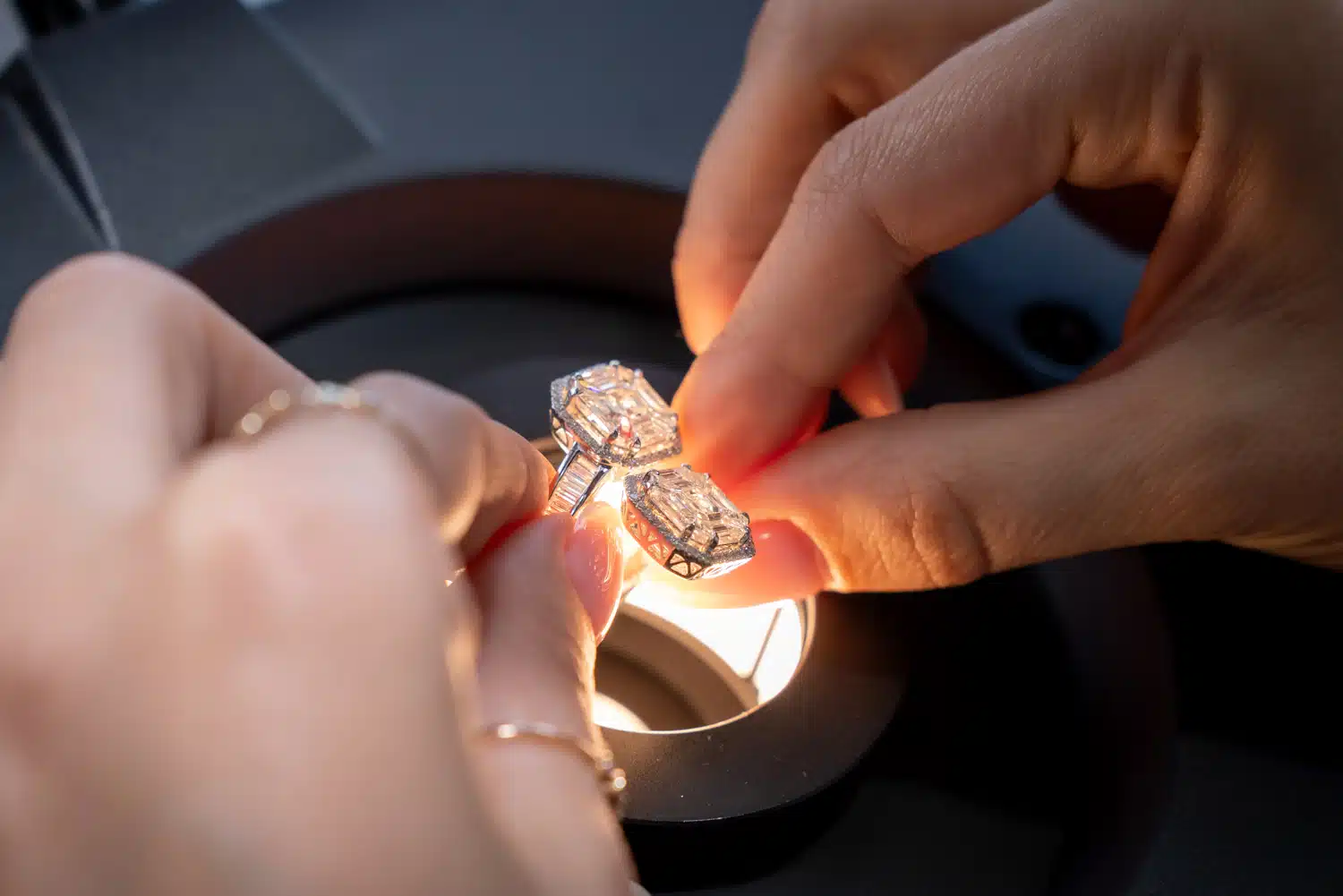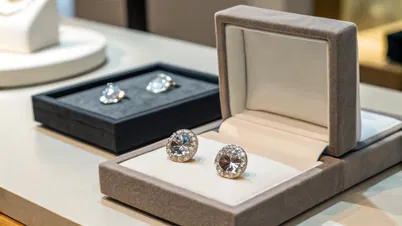


If you are searching for vintage engagement rings UK buyers trust, you will likely come across lab grown diamonds. They are no longer rare. They sit beside mined stones in jewellers’ windows and online stores.
A lab grown diamond is a real diamond. It has the same chemical structure as a mined diamond. It is made of carbon arranged in a crystal pattern. The only difference is where it forms. One grows deep in the earth over billions of years. The other grows in a controlled lab over a few weeks.
To your eye, they look the same. Under a microscope, trained gem labs can tell the difference. In daily wear, there is no visible distinction.
Understanding this helps you focus on what matters. Cut. Clarity. Colour. Carat. Setting. Budget.
Table of Contents
How Lab Grown Diamonds Are Made
There are two main methods used to create.
High Pressure High Temperature
This method copies the natural conditions found deep underground. Carbon is exposed to high pressure and heat. A small diamond seed helps the crystal grow.
Chemical Vapour Deposition
This method uses a carbon rich gas in a vacuum chamber. The gas is heated until carbon atoms attach to a seed and form a diamond layer by layer.
Both methods produce stones that are graded by the same standards used for mined diamonds. When you review a grading report, you are looking at the same criteria.
Why Buyers Consider Lab Grown Diamonds
If you are looking at vintage engagement rings UK retailers offer, cost is often part of the decision. Lab grown diamonds usually cost less than mined stones of similar size and quality.
This can change what is possible for you.
You might choose:
- A larger centre stone within the same budget
- A higher clarity grade
- A custom vintage inspired setting
- Matching wedding bands
Example:
You set a budget of £4000. A mined diamond might give you a 0.80 carat stone of good quality. A lab grown option could allow you to reach 1.20 carats at similar clarity and colour. The setting remains the same. The visual impact changes.
For some people, price flexibility is the main reason to choose lab grown.
For others, it is about origin and traceability. A lab environment offers a clear supply chain. That matters if you want to know exactly where your stone comes from.
Quality Still Depends on the Four Cs
Whether mined or lab grown, quality is not automatic. You still need to assess the Four Cs.
Cut
Cut affects brilliance more than any other factor. A well cut diamond reflects light evenly. Poor cut stones look dull even if they are large.
Ask to see the cut grade on the certificate. For round diamonds, aim for Excellent or Ideal if possible.
Clarity
Clarity measures internal marks called inclusions. Many inclusions are not visible to the naked eye.
You do not need a flawless stone. VS1 or VS2 clarity often looks clean without magnification and can save you money.
Colour
Colour is graded from D to Z. D is colourless. As you move down the scale, warmth becomes visible.
In yellow gold vintage settings, slightly warmer stones can look balanced and natural. In platinum or white gold, you may prefer a higher colour grade.
Carat
Carat refers to weight, not size alone. Two diamonds of the same carat can appear different in size depending on cut proportions.
Focus on how the diamond looks on your hand, not just the number on paper.
Lab Grown Diamonds in Vintage Inspired Designs
Many people who search for vintage engagement rings UK collections admire detailed craftsmanship. Milgrain edges. Filigree work. Halo settings. Floral motifs.
Lab grown diamonds work well in these designs because they are cut into the same shapes as mined stones. You can choose:
- Old mine cut style
- Old European cut look
- Emerald cut for Art Deco styles
- Oval or cushion for Edwardian inspired rings
If you love a specific era, focus on the setting first. Then choose the diamond that fits the proportions of that design.
Example:
An Art Deco ring often features geometric lines and step cut stones. A lab grown emerald cut diamond can deliver the clean lines needed for that period look.
A Victorian inspired ring might use a cushion cut centre stone with smallerside stones. The origin of the diamond does not change the visual style.
Resale and Long Term Value
You may wonder about resale value. Lab grown diamonds generally have lower resale prices than mined diamonds. This is because production can increase over time and supply is not limited in the same way as natural deposits.
If your primary goal is future resale, you should factor this in.
If your primary goal is to wear and enjoy the ring for decades, resale may not matter.
Ask yourself a direct question. Are you buying this as an investment or as a personal symbol? Your answer should guide your choice.
How to Compare Options in the UK Market
When reviewing vintage engagement rings UK jewellers sell, use a simple process.
Step One: Confirm Certification
Look for grading from respected labs such as GIA or IGI. The certificate should clearly state that the diamond is lab grown.
Step Two: Review the Setting Quality
Examine:
- Metal type and purity
- Security of prongs
- Symmetry of small accent stones
- Finish of engraved details
Vintage style rings often rely on fine details. Poor craftsmanship will show quickly.
Step Three: Ask About Aftercare
Check resizing policies. Ask about cleaning and inspection services. Complex vintage designs may need careful maintenance.
Step Four: See the Diamond in Different Light
Indoor light can hide issues. Natural daylight reveals more. Move the ring. Tilt it. Watch how it reflects light.
Budget Planning Without Guesswork
Set your budget before you start comparing stones.
Break it down clearly:
- Total amount you are comfortable spending
- Portion allocated to the diamond
- Portion allocated to the setting
- Reserve for resizing or adjustments
Lab grown diamonds can shift this balance. You might allocate more to a detailed handcrafted vintage setting and still stay within range.
If you are comparing two rings, write down the full specification of each. Do not rely on memory. Clarity grade, colour grade, carat weight, metal type. Small differences add up.
Ethical and Environmental Considerations
Some buyers choose lab grown diamonds to reduce environmental impact associated with mining. While lab production still uses energy, it avoids large scale excavation.
If this is important to you, ask the retailer about energy sources used in production and overall supply chain transparency.
Your decision should align with your priorities, not trends.
Common Misunderstandings
There are a few persistent myths.
Myth one: Lab grown diamonds are fake.
They are not. They are chemically and physically real diamonds.
Myth two: They do not last.
They are as hard as mined diamonds. They resist scratching in the same way.
Myth three: They look different.
Without specialised equipment, you cannot tell by sight alone.
Understanding these points prevents confusion when you discuss options with jewellers.
Making the Final Choice
When you narrow down your options, pause before you decide.
Put the ring on your hand.
Look at it from a normal distance.
Ignore the certificate for a moment.
Does it feel right for you?
If you are drawn to detailed antique styles and you are exploring vintage engagement rings UK jewellers offer, consider how the diamond supports the design. The setting often defines the character. The diamond should complement it, not overpower it.
A slightly smaller stone with excellent cut can look more refined than a larger stone with average proportions.
Trust your observation. Then confirm the technical details.
FAQs
Are lab grown diamonds cheaper in the UK?
Yes. In most cases they cost less than mined diamonds of similar size and quality. The exact difference depends on the retailer and current market conditions.
Can lab grown diamonds be used in antique or vintage settings?
Yes. They can be cut into traditional shapes that suit vintage engagement rings UK buyers prefer. The setting style is independent of the diamond’s origin.
Will a lab grown diamond pass a standard diamond test?
Yes. Basic diamond testers confirm that it is a real diamond. Only advanced laboratory equipment can identify that it was grown in a lab.