

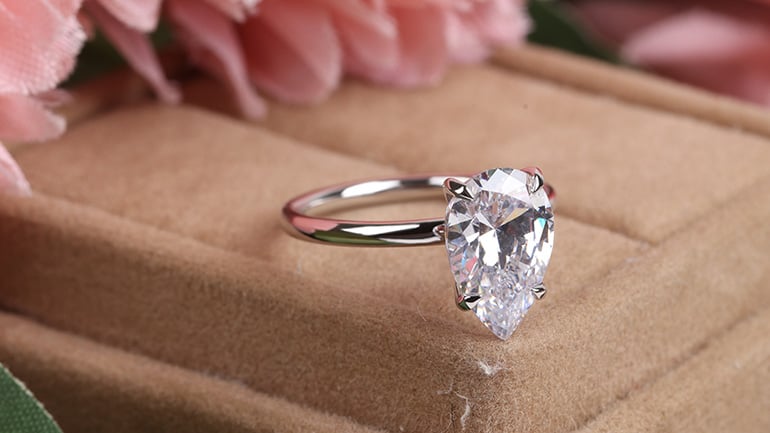
Diamonds are a symbol of luxury, elegance, and timeless beauty. However, when it comes to purchasing a diamond, understanding the cut of the diamond is just as important as its carat weight or color. In fact, the diamond’s cut directly impacts its brilliance, sparkle, and overall visual appeal. But what exactly does “cut” mean in the context of a diamond? Let’s dive into this essential aspect of diamond grading and why it holds such significance in the world of fine jewelry.
Table of Contents
What is a Diamond Cut?
In simple terms, the cut of a diamond refers to how well the diamond has been shaped and faceted from its rough form. It is one of the key characteristics of a diamond, influencing its overall appearance and how it interacts with light. Unlike carat weight, which measures the size of the what does cut diamond mean, the cut refers to the craftsmanship and skill that goes into transforming the rough stone into a polished gem.
Types of Diamond Cuts
When people refer to a diamond’s “cut,” they aren’t talking about the shape of the diamond (like round, square, or oval). Instead, they’re referring to how the diamond is faceted and polished. A well-cut diamond will have precise symmetry, the right proportions, and the ability to reflect light in a way that maximizes its brilliance and sparkle.
Some of the most popular diamond cuts include:
- Round Cut: Known for its optimal symmetry and maximum brilliance, the round cut is the most popular diamond cut.
- Princess Cut: A square-shaped diamond that combines elegance with modern appeal.
- Emerald Cut: Featuring long, rectangular facets, the emerald cut is prized for its clarity and understated beauty.
- Cushion Cut: With rounded corners, this cut offers a vintage look and a beautiful sparkle.
- Asscher Cut: Similar to the emerald cut but square, the Asscher cut offers a sophisticated, art-deco style.
Each cut is designed to bring out the unique beauty of the diamond and highlight its best features.
Why is the Cut of a Diamond So Important?
The cut of a diamond is often considered the most important factor in determining a diamond’s overall quality. While carat weight and color certainly play a role in the diamond’s appearance, the cut has the most immediate impact on how the diamond will look to the naked eye. Here’s why:
1. Brilliance and Sparkle
The cut of a diamond affects how well it reflects and refracts light, creating that stunning sparkle we all associate with diamonds. When light enters the diamond, it bounces around the facets and exits back through the top, creating a brilliant display. A well-cut diamond will reflect light efficiently, making it appear brighter and more radiant.
On the other hand, a poorly cut diamond will allow light to escape through the bottom or sides, resulting in less brilliance. A diamond with poor proportions or angles may appear dull and lackluster, even if it is large or has excellent color and clarity.
2. Symmetry and Proportions
A diamond’s symmetry refers to how well its facets are aligned, while proportions are the measurements of the diamond, including its depth, width, and crown angle. Proper symmetry and proportions enhance the diamond’s brilliance, while poor alignment and irregular proportions can detract from its overall appearance.
3. Visual Appeal
The cut of a diamond can also influence its shape and how it fits into a particular setting. For example, a round-cut diamond is a classic choice for engagement rings, while a princess cut may suit someone who prefers a more contemporary style. Different cuts can affect the overall aesthetic of the piece and how it complements the wearer’s hand or jewelry setting.
The 4Cs: Cut, Color, Clarity, and Carat Weight
When shopping for diamonds, you’ll likely encounter the term 4Cs, which refers to the four essential characteristics that affect a diamond’s quality and value: Cut, Color, Clarity, and Carat weight. While the first three Cs (cut, color, and clarity) can be used to describe a diamond’s physical properties, it is the cut that has the greatest impact on its appearance.
How Diamonds Are Graded for Cut
Diamond experts use a grading scale to assess the quality of a diamond’s cut. This scale is based on several factors, including the diamond’s proportions, symmetry, lab grown diamonds, and polish. The grades typically range from Excellent to Poor, with Excellent representing a well-cut diamond that maximizes its brilliance, and Poor indicating a diamond with undesirable proportions that affect its overall visual appeal.
- Excellent Cut: Maximizes light performance, creating a dazzling sparkle.
- Very Good Cut: Still offers great brilliance, though it may not be as dazzling as an Excellent cut.
- Good Cut: A well-cut diamond, but with slightly less brilliance than higher grades.
- Fair Cut: Lacks the desired symmetry and proportions for optimal sparkle.
- Poor Cut: A diamond that does not reflect light well and appears dull or lifeless.
The Role of Cut in Diamond Pricing
The cut of a diamond also plays a significant role in its price. Diamonds with a higher cut grade (Excellent or Very Good) will generally be priced higher due to their superior brilliance and visual appeal. On the other hand, diamonds with lower cut grades may be more affordable but will lack the sparkle and brilliance associated with higher-quality stones.
Conclusion: Understanding the Importance of Cut in Your Diamond Choice
When choosing a diamond for a special occasion or investment, the cut is a key factor in determining its overall beauty and value. A well-cut diamond not only enhances the stone’s brilliance and sparkle but also elevates the entire jewelry piece, making it a true work of art. Whether you’re looking for an engagement ring, a pendant, or a pair of earrings, paying attention to the cut of the diamond will ensure you select a piece that stands out with stunning visual appeal.
Before purchasing a diamond, always consider its cut grade, and be sure to work with a trusted jeweler who can guide you in choosing the perfect diamond for your needs. With the right cut, your diamond will truly shine.